What Happens During a Professional Furnace Tune Up
A professional furnace tune up is more than a quick filter change. In Sandy, UT, a well-run visit protects a home from mid-winter breakdowns during Wasatch storms and poor inversion days. It also keeps a gas furnace, electric furnace, hybrid heat pump, or high-efficiency modulating system within safe operating limits. Western Heating, Air & Plumbing performs this service with altitude-specific checks that match Salt Lake County conditions. The team has served Sandy families since 1995 and brings NATE-certified skill to every annual heating tune-up and safety inspection.
Homeowners ask why a tune up matters if the heater still runs. The answer shows up on the gas bill, in air quality, and in carbon monoxide safety. Dirty burners waste fuel. A weak flame sensor causes false shutdowns. A worn inducer drifts out of spec and leaves combustion gases in the heat exchanger longer than planned. Small issues start short cycling and rattling noises that wear out the blower motor and crack the heat exchanger over time. A clean, calibrated system runs smoother, uses less energy, and holds temperature without swings.
Why furnace maintenance in Sandy, UT is different
Sandy sits at the base of the Wasatch Mountains. Winter brings heavy snowfall and cold snaps. The valley also traps pollution during inversions, so filters load faster. Houses in Willow Creek and Pepperwood see temperature drops at night that stress limit switches and igniters. Historic Sandy and Crescent include older duct designs that restrict airflow if not cleaned. Homes near Dimple Dell Regional Park often deal with fine dust after wind events. A technician who works daily in 84070, 84092, and 84094 knows these patterns. That local context shapes how a 30-point tune up gets carried out in Sandy.
Western Heating, Air & Plumbing builds each visit around altitude-adjusted combustion, stable draft, and steady airflow. That is how carbon monoxide stays in check and thermal stress on the heat exchanger stays low. It is also how variable-speed blower motors hold comfort during long Utah nights.
What a 30-point heating tune up includes
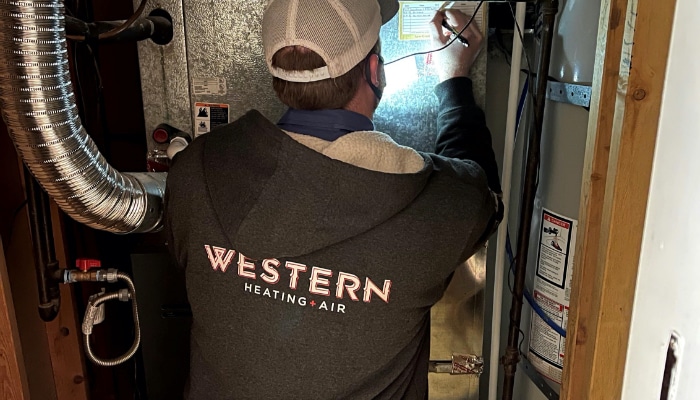
The flame sensor is cleaned with fine media to remove oxide build-up. A dull sensor causes lockouts and short cycling on cold starts. The igniter gets a visual check for hairline cracks and a resistance test with an ohmmeter. Most hot surface igniters fall in a known ohm range based on make and model; out-of-range readings warn of failures when temperatures drop under 20°F. Pilot light assemblies on older units get cleaned and checked for steady blue flame. A green or weak pilot indicates contamination or a failing thermocouple.
The draft inducer runs next. The tech records amperage draw and listens for bearing noise. A worn inducer causes poor draft and tripped pressure switches. Venting is inspected for slope, gaps, and corrosion. On condensing furnaces, PVC venting is checked for sag that can trap water. The gas valve pressure and manifold pressure are measured and set to factory spec. This step is key for Sandy’s elevation. Too much pressure wastes fuel and overheats the heat exchanger. Too little causes lazy flames and soot.
Heat exchanger surfaces receive a light inspection with mirrors or a camera where access allows. Signs of cracks, rust, or hot spots are documented. If a crack is suspected, the tech may perform a CO test under steady-state to confirm. Safety devices follow. The limit switch is tested for trip and reset behavior. Rollout switches are checked for secure wiring and clean contacts. The technician confirms that the furnace shuts down correctly on induced faults, then restores normal operation.
Airflow checks come after combustion and safety. The blower motor, wheel, and housing are inspected. On variable-speed systems, static pressure is measured across the supply and return. Readings above about 0.8 inches of water column often point to clogged filters, closed registers, or restrictive coils. The evaporator coil face is inspected where access permits. Dust on the coil raises static pressure, which strains the blower and can trip the limit switch. The technician also verifies that the blower run capacitor reads within tolerance on PSC motors. Weak capacitors cause slow starts and excess heat.
The thermostat is calibrated and checked for location and wiring. A thermostat near a south-facing window in Willow Creek might read high during the day and short cycle the furnace. A small relocation or schedule adjustment can fix it. The tech confirms heat staging on two-stage and modulating furnaces. On Lennox Signature Collection and Carrier Infinity systems, the control board holds data on run times and fault codes that guide fine tuning. Trane TruComfort systems use variable capacity that benefits from clean filters and correct static pressure to achieve quiet, long heating cycles.
Filtration and indoor air quality are part of a Sandy tune up because of inversion season. The tech reviews filter size, MERV rating, and replacement interval. A high MERV filter helps during poor air days, but static pressure must stay in range. The technician may recommend a media cabinet upgrade if a thin 1-inch filter restricts too fast. Humidifier pads, if present, are inspected and replaced when crusted with mineral. Proper humidity in winter helps comfort at lower setpoints, which lowers gas use.
The visit ends with system run tests. Supply and return temperatures are measured to confirm correct temperature rise per the nameplate. Gas usage and cycling behavior are observed. The cabinet is wiped down. Panels are secured. The work area is left clean. The homeowner receives a written report of findings with any photos of parts like a heat exchanger or blower wheel. If repairs are needed, the report lists parts such as igniter, flame sensor, draft inducer, limit switch, gas valve, or thermostat with pricing and urgency.
Common symptoms caught during a tune up
In Sandy homes from Alta Canyon to Silver Sage, the same issues appear before a failure. Early fixes cost less than emergency heat calls at 10 p.m. On a snow day. The following list reflects frequent findings on our heating routes near America First Field and The Shops at South Town.
- Short cycling caused by dirty burners, a clogged air filter, or a weak flame sensor
- Unusual rattling noises from a loose blower wheel or failing inducer bearings
- Pilot light discoloration or a lazy flame that points to gas pressure or burner issues
- Soot buildup in the burner assembly leading to inefficient fuel consumption
- Carbon monoxide risk from cracked heat exchangers or venting gaps
A tune up addresses the cause, not just the symptom. Cleaning, calibration, and part replacement where needed return the system to safe, steady heat.
Appliance types served during furnace maintenance
The service covers gas furnaces, electric furnaces, hybrid heat pumps, high-efficiency modulating furnaces, and propane furnaces. Each type has maintenance points that protect performance.
Gas furnaces depend on clean burners, correct manifold pressure, and tight venting. The flame sensor must read current within the expected range to keep the gas valve open. Igniter health is watched closely because cold snaps finish off a weak element. On condensing units, the secondary heat exchanger and condensate system need seasonal cleaning or the furnace will shut down from a pressure or float switch.
Electric furnaces heat with elements across multiple stages. The tune up verifies sequencer timing, checks element resistance, and confirms that high limit switches open and reset properly. Airflow is crucial on these units to prevent nuisance trips.
Hybrid heat pumps switch between heat pump mode and furnace backup. The tech tests switchover temperature, checks the outdoor defrost cycle, and verifies that thermostat logic shifts to gas heat when outdoor temps drop near or below freezing. On modulating and variable-speed systems, control settings and static pressure drive comfort. Careful cleaning and calibration allow long, quiet runs that hold room temperature without overshoot.
Propane furnaces need a sharp eye on orifice sizing and gas pressure, since tank level and regulator condition affect flame quality. The team confirms leak-free connections and stable combustion.
Authorized service for leading brands
Western Heating, Air & Plumbing maintains Trane, Lennox, Carrier, Rheem, Goodman, York, and other major lines. Factory procedures guide each precision tune up so warranties stay valid. High-performance systems like Trane TruComfort, Carrier Infinity, and Lennox Signature Collection respond well to clean sensors, correct static pressure, and verified gas settings. That is how long, even heating runs with low noise and fewer stops.
The technician documents model and serial numbers and updates service records. That record helps spot trends like a recurring limit trip or a weak inducer before it fails in a cold front.
Local support from the Wasatch bench to Historic Sandy
The company’s Sandy crews cover Historic Sandy, Crescent, Willow Creek, Pepperwood, Alta Canyon, Silver Sage, White City, and nearby corridors like 84070, 84092, and 84094. Many calls run near America First Field, Alta View Hospital, Mountain America Expo Center, and The Shops at South Town. This proximity shortens response times and makes same-week scheduling feasible before a storm hits. Neighboring service areas include Draper, Midvale, Cottonwood Heights, South Jordan, and Riverton.
Homes on the Wasatch bench face steeper wind chill and snow load. Duct leaks in those homes cause hot-and-cold rooms that feel worse on windy nights. In the flats near 84093 and 84090, inversion seasons load filters early. The team adapts filter schedules and recommends media cabinets where big families or pets push dust levels higher.
Safety first: carbon monoxide, heat exchangers, and venting
Carbon monoxide safety is central to a tune up. The furnace makes CO during combustion, and the vent system must move it outside. A cracked heat exchanger, loose flue, or blocked intake can leak gases into the home. During maintenance, the tech scans for CO, inspects heat exchanger surfaces, and verifies draft. If elevated CO or a clear crack appears, the unit is disabled and repair or replacement options are presented on the spot. This protects health and avoids dangerous operation.
In older Sandy homes with long vent runs, sagging metal sections can collect condensation and rust through. In high-efficiency PVC venting, long runs need correct pitch and hangers. These details matter during long burn cycles on sub-zero nights.
Airflow and comfort: blower motors, filters, and static pressure
A furnace can burn fuel well and still deliver poor comfort if airflow is wrong. The technician checks blower motor speed taps or control settings, measures static pressure, and looks for blocked returns. Variable-speed motors adapt to restrictions up to a point, but excess restriction shortens life and raises noise. A quick static pressure test reveals if the duct system or filter is the bottleneck.
Filters near Dimple Dell Park and along busy corridors tend to clog faster. Western Heating, Air & Plumbing often moves clients to a 4-inch media filter cabinet that supports MERV 11 to 13 without choking the blower. That upgrade is common in Sandy and helps during inversion alerts without pushing static pressure past safe limits.
The Western approach: NATE-certified, local, and accountable
The company is family-owned and operated since 1995. Technicians are NATE-certified and trained on gas safety, high-efficiency systems, and variable-speed airflow. The business is a licensed and insured Utah contractor with a BBB A+ rating. Every tune up follows a documented 30-point process that blends manufacturer steps with Sandy-specific checks. This includes a visual inspection of the heat exchanger where accessible, flame sensor cleaning, igniter testing, blower amp draw verification, thermostat calibration, gas valve and manifold pressure settings, and filter and coil evaluation.
Clients who want set-it-and-forget-it service join the Western Savings Club. The plan includes annual maintenance, priority scheduling during storms, and repair discounts. The club pays for itself for many families in 84070 and 84092 who run the heat hard from November through March.
What homeowners can expect during the visit
Appointments run about 60 to 90 minutes for standard gas furnaces and longer for condensing or modulating units. The tech arrives with shoe covers, reviews any concerns, and explains the tune up steps. If a problem appears, such as a failing igniter or noisy inducer, the technician quotes parts and labor before work begins. Many parts are on the truck. If a specialty item is needed for a Trane, Carrier, Lennox, Rheem, Goodman, or York model, the office sources it quickly from Salt Lake County supply houses.
After the tune up, the system runs through full heat cycle checks. Data is recorded on supply temperature, return temperature, static pressure, and motor draw. The homeowner receives clear notes, including any watch items for next season. If the furnace is near end of life or a heat exchanger shows signs of failure, replacement options are discussed without pressure. The goal is safe, steady heat for Sandy winters.
A quick checklist before scheduling
Homeowners can speed the visit with a few simple steps. These help the technician focus on testing rather than clearing space or tracking parts.
- Replace or note your current air filter size and MERV rating
- Clear three feet of space around the furnace and electrical panel
- List symptoms like rattling noises, short cycling, or cold rooms
- Note thermostat schedules and any recent power or gas work
- Share brand and model info if handy, such as Trane, Lennox, or Carrier
With this prep, the tech can move straight into cleaning, calibration, and performance testing.
Cost, timing, and value in Sandy
Prices vary by furnace type and access, but most Sandy tune ups fall in a moderate range. High-efficiency gas furnaces and systems with modulating burners take longer and may cost more. Western Heating, Air & Plumbing recommends one annual visit for gas or electric furnaces and a fall check for hybrid systems. Early fall is best. That timing catches parts before busy season and avoids rush scheduling during the first hard freeze at the Wasatch front.
The value shows up in fewer emergency calls, lower fuel use, and longer equipment life. Many Sandy homes that move from reactive repairs to annual maintenance see a notable drop in gas bills during the 90 coldest days. Cleaner burners and correct gas pressure do that. So does lower static pressure after a blower cleaning and filter upgrade.
Service area coverage and rapid dispatch
Technicians are frequently near America First Field, The Shops at South Town, Alta View Hospital, and Mountain America Expo Center, which allows fast dispatch across 84092, 84070, 84094, 84093, 84090, and 84091. Neighborhood routes include Historic Sandy, Crescent, Willow Creek, Pepperwood, Alta Canyon, Silver Sage, and White City. Crews also support Draper, Midvale, Cottonwood Heights, South Jordan, and Riverton when cold fronts stretch across Salt Lake County.
Frequently asked questions
How often should a furnace get tuned in Sandy? Once per year. High-efficiency units or homes with heavy dust may benefit from a mid-season filter check. The team sets filter schedules based on static pressure and visual checks rather than guesswork.
What brands are supported? The service covers Carrier, Trane, Lennox, Rheem, Goodman, York, and more. High-end systems like Trane TruComfort, Carrier Infinity, and Lennox Signature Collection receive factory-aligned maintenance to keep warranties active.
What if the heat exchanger is cracked? The unit is made safe and options are presented. A camera photo or CO reading supports the finding. Replacement is often the right call because a cracked exchanger can leak carbon monoxide.
Will a tune up lower bills? In most cases, yes. Clean burners, correct gas pressure, and proper airflow reduce run time and fuel waste. Savings show up most during long cold spells along the Wasatch bench.
Do NATE-certified technicians perform the work? Yes. Every furnace maintenance visit includes a NATE-certified technician and a documented 30-point safety inspection. The company carries a BBB A+ rating and is a licensed and insured Utah contractor.
Western Savings Club and priority service
The Western Savings Club automates annual furnace maintenance for Sandy, UT. Members receive priority scheduling during snow events, repair discounts, and reminders before peak season. The plan fits busy families in Willow Creek and Pepperwood who want steady, predictable heat all winter without last-minute scrambles. It supports long-term system health and keeps warranty terms aligned with manufacturer maintenance requirements.
Ready for furnace maintenance in Sandy, UT?
If a furnace shows short cycling, unusual rattling noises, pilot light discoloration, or rising gas bills, it needs service. Western Heating, Air & Plumbing can help. The team performs thorough annual heating tune-ups, furnace cleaning, and safety inspections across Sandy and nearby cities. Appointments are available near America First Field, The Shops at South Town, Historic Sandy, and the 84092 foothills.
Schedule a visit today. Ask about the Western Savings Club for automatic maintenance and priority support. With a calibrated thermostat, clean flame sensor, verified igniter, tuned gas valve, and balanced airflow, a furnace runs steady through the next Wasatch storm.
What homeowners gain from a professional tune up
The payoff is simple. Safer operation through carbon monoxide testing and heat exchanger checks. Lower energy use from clean burners and correct gas settings. Quieter comfort with a balanced blower and clean return paths. Fewer surprise repairs because an experienced eye catches weak parts early. That is the practical value of professional furnace maintenance in Sandy, UT.
Western Heating, Air & Plumbing provides HVAC and plumbing services for homeowners and businesses across Sandy and the surrounding Utah communities. Since 1995, our team has handled heating and cooling installation, repair, and upkeep, along with ductwork, water heaters, drains, and general plumbing needs. We offer dependable service, honest guidance, and emergency support when problems can’t wait. As a family-operated company, we work to keep your space comfortable, safe, and running smoothly—backed by thousands of positive reviews from satisfied customers.
Western Heating, Air & Plumbing
9192 S 300 W
Sandy,
UT
84070,
USA
231 E 400 S Unit 104C
Salt Lake City,
UT
84111,
USA
Phone: (385) 233-9556
Website: https://westernheatingair.com/, Furnace Services
Social Media:
Instagram |
Facebook |
BBB
Map: View on Google Maps